Empowerize Therapy Center
Home
Our Story
Our Services
  • Physical Therapy
  • Speech Therapy
  • Occupational Therapy
  • Personal Training
  • Dry Needling
Contact
Our Team
  • Our Team
  • Meet Alicia
  • Meet Caleb
  • Meet Sarah
  • Meet Lee
  • Meet Malia
Conditions
  • Autism Spectrum Disorder
  • Stroke (CVA)
  • Parkinson's Disease
  • Traumatic Brain Injury
  • Cerebral Palsy (CP)
  • Concussion
  • Developmental Delay
  • Spinal Cord Injury
  • Cognitive Impairment
  • Multiple Sclerosis
  • ALS
  • Apraxia
  • Dementia/ Alzheimer's
  • Torticollis
  • Down Syndrome
  • Dysphasia
  • Muscular Dystrophy
  • Brain Tumor
  • Rett Syndrome
Gallery
Learning Center
Empowerize Therapy Center
Home
Our Story
Our Services
  • Physical Therapy
  • Speech Therapy
  • Occupational Therapy
  • Personal Training
  • Dry Needling
Contact
Our Team
  • Our Team
  • Meet Alicia
  • Meet Caleb
  • Meet Sarah
  • Meet Lee
  • Meet Malia
Conditions
  • Autism Spectrum Disorder
  • Stroke (CVA)
  • Parkinson's Disease
  • Traumatic Brain Injury
  • Cerebral Palsy (CP)
  • Concussion
  • Developmental Delay
  • Spinal Cord Injury
  • Cognitive Impairment
  • Multiple Sclerosis
  • ALS
  • Apraxia
  • Dementia/ Alzheimer's
  • Torticollis
  • Down Syndrome
  • Dysphasia
  • Muscular Dystrophy
  • Brain Tumor
  • Rett Syndrome
Gallery
Learning Center
More
  • Home
  • Our Story
  • Our Services
    • Physical Therapy
    • Speech Therapy
    • Occupational Therapy
    • Personal Training
    • Dry Needling
  • Contact
  • Our Team
    • Our Team
    • Meet Alicia
    • Meet Caleb
    • Meet Sarah
    • Meet Lee
    • Meet Malia
  • Conditions
    • Autism Spectrum Disorder
    • Stroke (CVA)
    • Parkinson's Disease
    • Traumatic Brain Injury
    • Cerebral Palsy (CP)
    • Concussion
    • Developmental Delay
    • Spinal Cord Injury
    • Cognitive Impairment
    • Multiple Sclerosis
    • ALS
    • Apraxia
    • Dementia/ Alzheimer's
    • Torticollis
    • Down Syndrome
    • Dysphasia
    • Muscular Dystrophy
    • Brain Tumor
    • Rett Syndrome
  • Gallery
  • Learning Center
  • Home
  • Our Story
  • Our Services
    • Physical Therapy
    • Speech Therapy
    • Occupational Therapy
    • Personal Training
    • Dry Needling
  • Contact
  • Our Team
    • Our Team
    • Meet Alicia
    • Meet Caleb
    • Meet Sarah
    • Meet Lee
    • Meet Malia
  • Conditions
    • Autism Spectrum Disorder
    • Stroke (CVA)
    • Parkinson's Disease
    • Traumatic Brain Injury
    • Cerebral Palsy (CP)
    • Concussion
    • Developmental Delay
    • Spinal Cord Injury
    • Cognitive Impairment
    • Multiple Sclerosis
    • ALS
    • Apraxia
    • Dementia/ Alzheimer's
    • Torticollis
    • Down Syndrome
    • Dysphasia
    • Muscular Dystrophy
    • Brain Tumor
    • Rett Syndrome
  • Gallery
  • Learning Center

What is a Traumatic Brain Injury?

About Traumatic Brain Injuries (TBI)

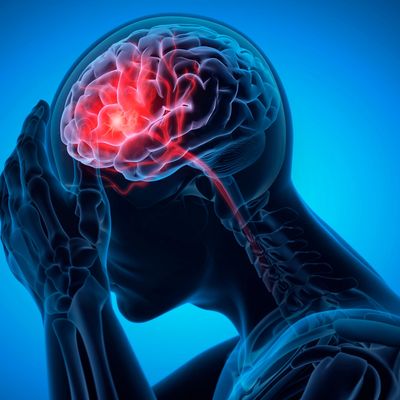
A traumatic brain injury (TBI) occurs when an external force injures the brain, disrupting normal brain function. This can happen from a blow to the head, a fall, a car accident, a sports injury, or any event where the brain is rapidly shaken or penetrated.


TBI ranges in severity:

  • Mild TBI (concussion): brief changes in mental status, headaches, dizziness, or confusion.
  • Moderate to severe TBI: extended loss of consciousness, significant cognitive or physical impairments, and potential long‑term disability.

There are two main types of TBI:

  • Closed (non‑penetrating) injuries, where the brain is damaged by sudden movement within the skull.
  • Open (penetrating) injuries, where an object breaks through the skull and injures brain tissue.


Symptoms can affect thinking, memory, balance, speech, behavior, and sensory processing. Some effects appear immediately, while others develop over hours or days.

Treatment depends on the severity of the injury. Mild TBIs often require rest and monitoring, while more serious injuries may need emergency care, surgery, and long‑term rehabilitation such as physical, occupational, or speech therapy.
Therapy and TBI

Physical therapy helps rebuild strength, balance, coordination, and mobility, allowing individuals to regain independence and move more safely in daily life. It supports the brain and body in reconnecting through guided exercises and functional activities.


Speech therapy focuses on communication, cognition, and swallowing. It helps improve speech clarity, rebuild language skills, strengthen memory and attention, and support safe eating and drinking. For those who have difficulty speaking, it can introduce alternative communication methods to help them express themselves.


Together, these therapies help individuals recover essential skills, increase confidence, and improve overall quality of life after a TBI.


Why Choose Empowerize Therapy Center?

At Empowerize Therapy Center , we're committed to providing high-quality, patient-centered care. Our therapists work one-on-one with each patient to develop a customized treatment plan tailored to their specific needs. Contact us today to learn more!

Schedule Your Appointment

Phone: (810) 772-7600

Fax: (810) 206-3165

Email: admin@empowerizetherapycenter.com


Copyright © 2026 Empowerize Therapy Center - All Rights Reserved.


Powered by

This website uses cookies.

We use cookies to analyze website traffic and optimize your website experience. By accepting our use of cookies, your data will be aggregated with all other user data.

Accept