Speech‑language therapy plays an essential role in supporting people with ALS as the condition gradually affects the muscles used for speaking, swallowing, and communication. A speech‑language pathologist helps individuals make the most of their current abilities by teaching strategies that keep speech as clear and efficient as possible for as long as possible. As changes progress, therapy often shifts toward introducing alternative communication options—such as voice banking, communication boards, or speech‑generating devices—so the person can stay connected with others in meaningful ways. Speech therapy also supports swallowing safety by teaching techniques that make eating and drinking more comfortable and reduce the risk of choking or aspiration. Throughout the process, therapists work closely with individuals and families to adapt tools and strategies as needs change, helping preserve independence, dignity, and quality of life.
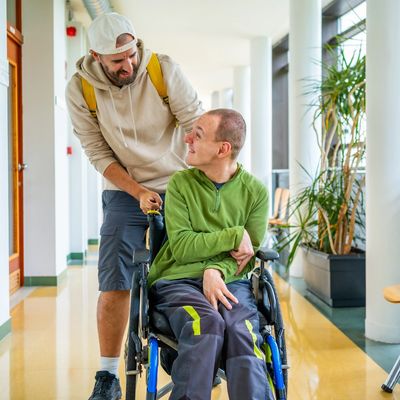
Physical therapy offers steady, meaningful support for people living with ALS by helping them stay as mobile, safe, and comfortable as possible as the disease progresses. A physical therapist focuses on maintaining flexibility, reducing stiffness, and slowing the development of joint tightness through gentle stretching and guided movement. They also help individuals find the most efficient and least tiring ways to move—whether that’s walking, transferring, or using mobility aids when the time is right. As muscles weaken, physical therapy becomes just as much about energy conservation and safety as it is about strength, helping people avoid falls and stay active in ways that feel good for their bodies. Therapists also work closely with families to teach positioning, safe movement techniques, and ways to support comfort at home. Even though ALS changes over time, physical therapy adapts right along with it, offering practical tools that help preserve independence and quality of life.