

Speech Therapy
Talking, understanding, thinking, and swallowing.
What is speech therapy?
Speech therapy helps with communication, language, speech clarity, thinking skills, and swallowing. Our speech-language pathologists work with children and adults, from late talkers to adults recovering after a stroke or brain injury.
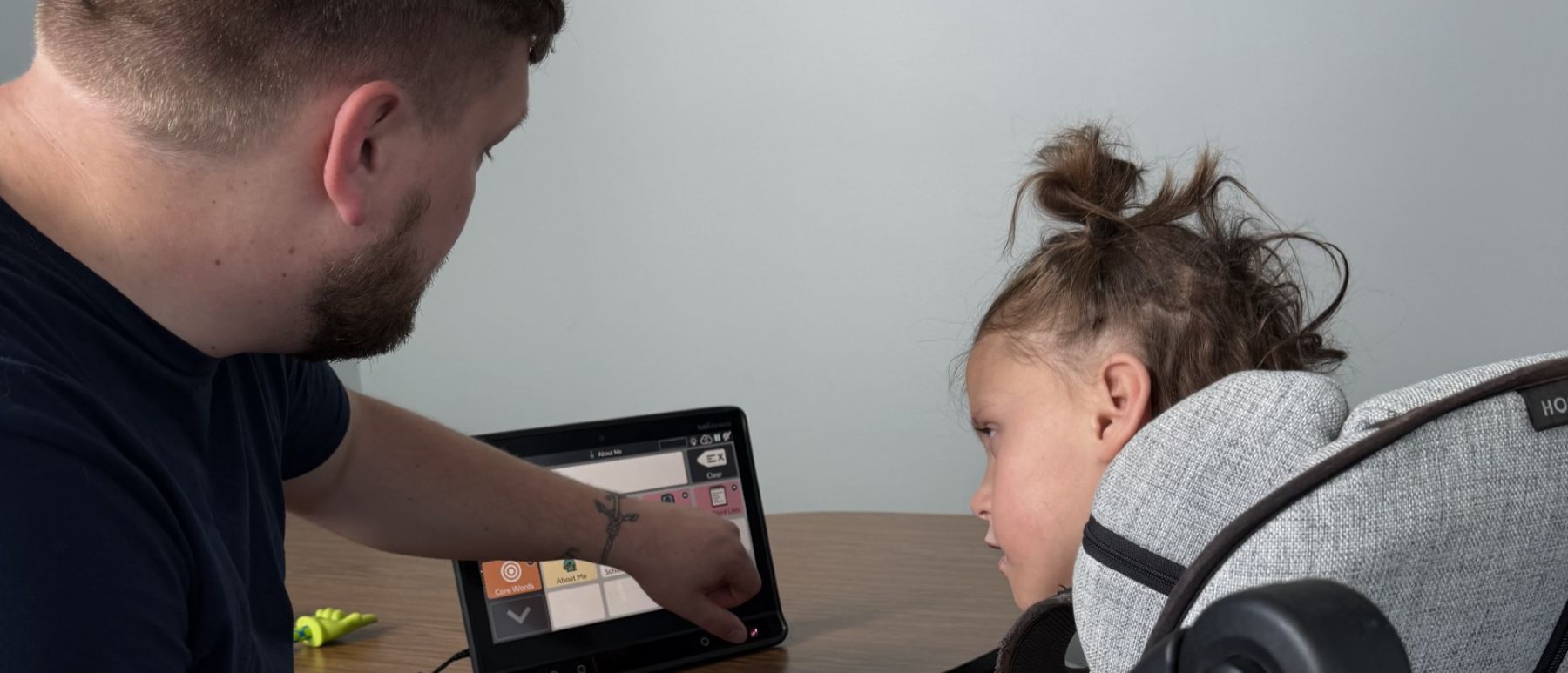
Is it right for you?
Speech Therapy may help with
Lead with the everyday problem. The diagnosis can come later, or not at all.
-
Late talking and speech delay
-
Being understood clearly
-
Stuttering and voice
-
Understanding and using language
-
Memory, attention, and problem solving
-
Feeding and swallowing
Conditions speech therapy can address
Speech
Language
Feeding and swallowing
Pediatric
- Articulation and phonological disorders
- Childhood apraxia of speech
- Dysarthria
- Voice disorders
- Stuttering and cluttering
- Expressive and receptive language disorders
- Developmental language disorder (DLD)
- Social communication
- Aphasia after brain injury or stroke
- Cognitive-communication disorders
- Infant feeding difficulties
- Pediatric feeding and texture aversion
- Dysphagia after stroke, brain injury, or neurodegenerative disease
- Swallowing after head and neck cancer treatment
- Oral motor weakness
- Speech delay
- Hearing loss-related speech and language delays
- Cleft lip and palate
- Literacy-based language disorders
Your Speech team
Who you'll work with
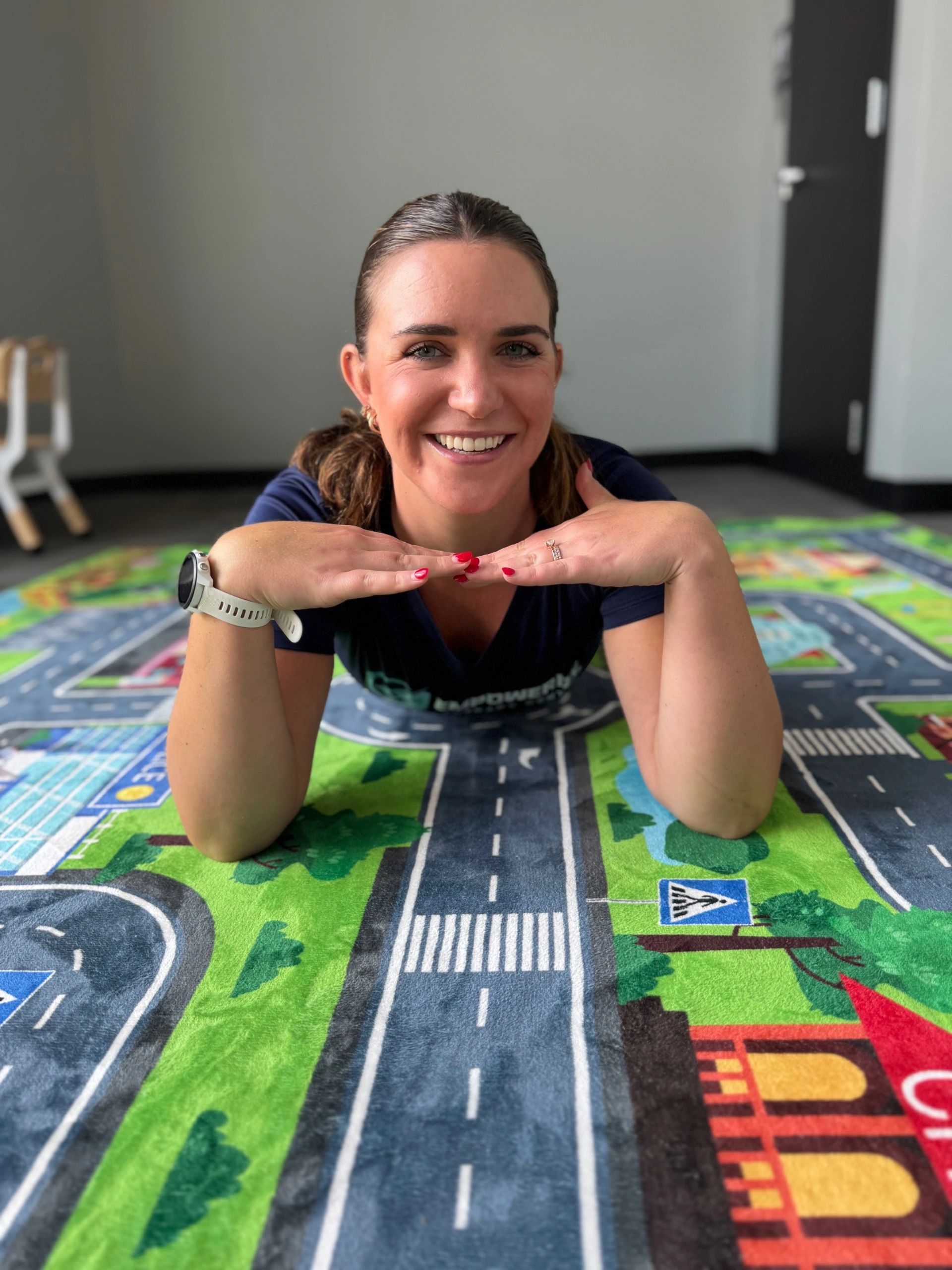
Sarah, MA, CCC-SLP
Speech-Language Pathologist

Justin, MA, CCC-SLP
Speech-Language Pathologist
Related conditions
Often seen alongside speech therapy
Questions about speech therapy
You do not need to wait to ask. An evaluation can tell you whether your child may benefit from therapy now or whether monitoring makes sense.
Yes. Speech-language pathologists evaluate and treat feeding and swallowing difficulties in children and adults.
Speech therapy can introduce alternative ways to communicate so people can express themselves.