

Pediatric Therapy
Sensory Processing Explained Through Occupational Therapy
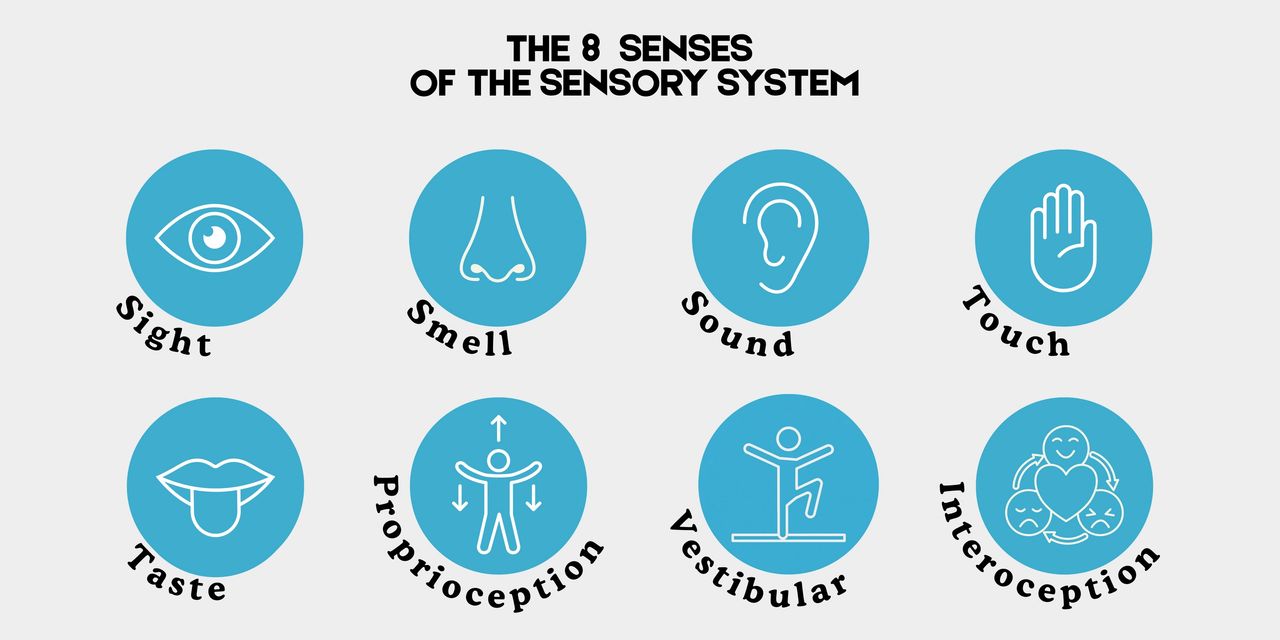
Do you know your 8 senses? Sight, sound, smell, touch, sight, taste, proprioception, vestibular, and interoception are all senses you have.
What Is Sensory Processing?
Sensory processing is the way the brain receives, organizes, and responds to information from the world. Kids take in sensory input all day long through sounds, movement, touch, taste, smells, and even internal cues like hunger or balance. When the brain processes this information smoothly, kids can play, learn, and interact with ease.
When processing is hard, everyday tasks can feel overwhelming.
Occupational therapy is helpful for sensory processing disorder because it gives children structured, meaningful ways to help their brains make better sense of the information coming in from their bodies and the world around them. SPD isn’t about “bad behavior” or “not trying hard enough”. Rather, it’s about a nervous system that’s working overtime to interpret sensations like movement, touch, sound, or pressure. OT steps in to support that system so daily life feels more manageable.
The Eight Sensory Systems
Parents usually know the “big five,” but OT looks at all eight:
- Tactile System — touch, textures, clothing, grooming
- Proprioception — body awareness, pressure, heavy work
- Vestibular System — balance, movement, coordination
- Visual System — tracking, scanning, visual clutter
- Auditory System — noise sensitivity, following directions
- Gustatory/Olfactory — picky eating, strong reactions to smells
- Interoception — hunger, bathroom cues, emotional awareness
Each system plays a role in behavior, attention, and emotional regulation.
Signs of Sensory Processing Challenges
Kids may be sensory seekers, sensory avoiders, or a mix.
Common signs include:
- Avoiding loud places, crowds, or busy environments
- Difficulty with clothing textures, tags, or grooming
- Constant movement, crashing, jumping, or spinning
- Picky eating or strong reactions to smells
- Trouble sitting still or focusing
- Meltdowns during transitions or unexpected changes
- Difficulty knowing where their body is in space
These behaviors aren’t “bad behavior” — they’re communication.
How OT Helps
Occupational therapy helps kids build the skills and regulation needed to participate in daily life. OTs use:
- Sensory integration activities
- Heavy work to organize the nervous system
- Movement-based regulation
- Environmental modifications
- Parent coaching to support routines at home
OT doesn’t “fix” a child — it gives them tools to feel safe, confident, and capable.
Sensory Integration Activities in OT
Sensory integration isn’t just about keeping kids busy, it’s about giving the brain the kinds of experiences it needs to organize movement, attention, and emotions. When you blend vestibular, proprioceptive, and tactile input in playful ways, you’re essentially helping the nervous system run more smoothly. Below are some activities one might see while in occupational therapy to support sensory integration.
Why Sensory Integration Matters
When a child swings, climbs, pushes, squeezes, or explores textures, their brain is learning how to interpret and coordinate sensory messages. This makes everyday tasks, such as sitting in class, getting dressed, handling frustration, playing with peers, feel easier and more automatic. Sensory integration is really about helping the brain become more efficient so the child can focus on learning and connection rather than fighting sensory overwhelm.
Obstacle Courses: Organizing the Whole Body
An obstacle course might look like simple fun, but it’s a powerhouse for sensory development. Crawling under tables, jumping over cushions, or balancing on a taped line gives the brain a mix of movement and deep pressure that helps kids understand where their body is in space. This blend of vestibular and proprioceptive input builds coordination and steadies the nervous system. It’s why therapists often start sessions with movement, as it primes the brain for attention and learning.
If you want to build one at home, a simple sensory circuit is a great place to start.
Deep Pressure: Calming the Nervous System
Activities like rolling a therapy ball over a child’s back or giving firm squeezes through a “steamroller” setup provide deep, steady pressure that helps the body settle. This kind of input activates calming pathways in the brain, making it easier for kids to regulate emotions, transition between activities, or wind down before bed. It’s not just soothing — it’s teaching the nervous system how to return to a grounded state.
Balloon Volleyball: Sensory Meets Thinking
A slow-moving balloon gives kids time to track, plan, and respond — all while staying balanced and coordinated. As they shift their weight, reach, and tap the balloon, they’re using movement and body awareness to support timing, turn-taking, and problem-solving. This is sensory integration at its best: the body and brain working together to make thinking feel smoother.
Play-Dough Challenges: Tactile Learning With Purpose
When kids roll dough, hide beads, or cut shapes, they’re getting tactile input in a way that feels safe and playful. At the same time, they’re strengthening fine-motor skills and practicing sequencing. This combination helps kids who avoid messy textures or struggle with planning small movements. It’s a gentle way to build tolerance and confidence
Animal Walks: Strength, Coordination, and Imagination
Bear walks, crab walks, and frog jumps blend heavy work with balance and creativity. These movements strengthen the core — the foundation for handwriting, sitting posture, and attention — while giving the brain rich proprioceptive input. Because they’re playful, kids engage without feeling like they’re “working,” even though their nervous system is getting exactly what it needs.
The Big Picture
Occupational therapy plays a powerful role in supporting children with sensory processing disorder because it helps the brain learn to organize and respond to sensory input in a more efficient, comfortable way. Through movement-based play, deep pressure, and tactile exploration, OTs strengthen the nervous system’s ability to regulate itself, which reduces overwhelm and builds confidence. As kids become better regulated, they can focus, manage emotions, and stay alert with less effort. OT also boosts motor skills and body awareness by challenging balance, coordination, and core strength in playful, meaningful ways — skills that directly support handwriting, dressing, climbing, and everyday independence. Most importantly, occupational therapy improves participation in real life: smoother transitions, fewer meltdowns, more success at school, and more joyful engagement in play and family routines. And because OT empowers caregivers with strategies that work at home and in the community, families feel more supported and less alone.
Occupational Therapy at Empowerize Therapy Center
To learn how this approach can help your child thrive, reach out to Empowerize Therapy Center at 810-772-7600 to book an evaluation appointment.
When to talk to a therapist
If you have questions about your situation or your child's, contact our team or learn more about occupational therapy at Empowerize. This article is general information and is not a substitute for an evaluation.