

Child development
Why Repetitive Books Are Important for Early Language Development
How reading the same books helps toddlers and young children build language, confidence, and comprehension

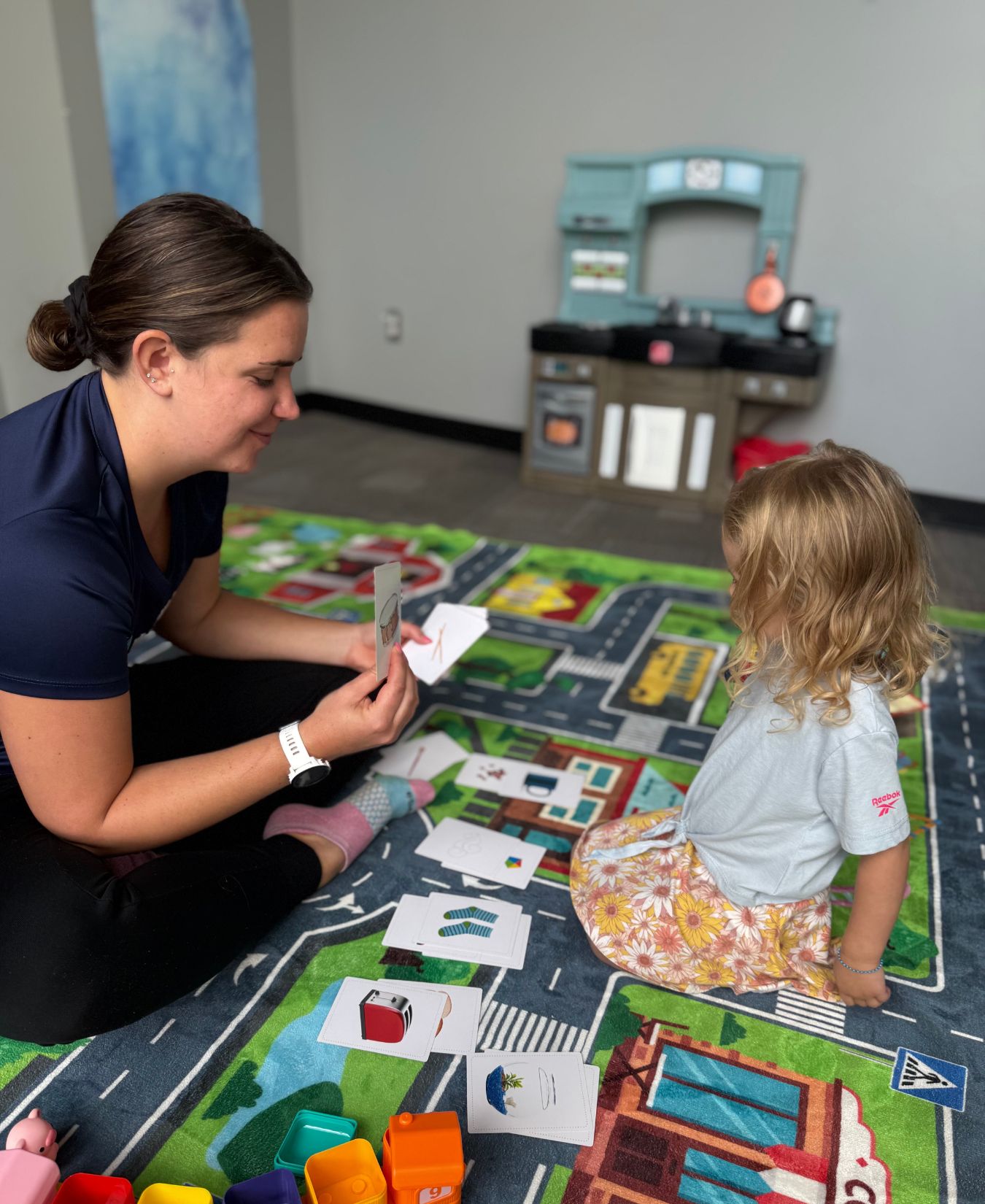
Does your child ask you to read the same book over and over again?
As a parent, you might wonder why your toddler wants to hear the same story for the tenth time when there are dozens of other books sitting on the shelf.
The answer is simple: Repetition plays an important role in early speech and language development.
Many popular children's books intentionally repeat words, phrases, sounds, and sentence patterns. These predictable elements help young children become familiar with language, anticipate what comes next, and participate in the reading experience.
For early language learners, that familiarity is especially valuable.
Whether your child is just beginning to recognize words, starting to communicate, or developing more complex language skills, repetitive books can create meaningful opportunities for learning.
Let's explore why repetition matters and which books can help support your child's developing communication skills.
Why Is Repetition Important for Language Development?
Repetition helps young children make sense of language by giving them multiple opportunities to hear, recognize, and understand the same words and sentence structures.
When children encounter familiar phrases during storytime, they begin to anticipate what comes next. This predictability makes language easier to follow and creates opportunities for children to participate.
Rather than simply listening to a story, children can become active participants in the reading experience.
Repeated exposure to words and stories can support several important areas of early development, including language learning, participation, confidence, memory, and comprehension.
1. Repetitive Books Help Build Speech and Language Skills
One of the greatest benefits of repetitive books is their ability to reinforce familiar language patterns.
When children hear the same phrases multiple times, they become more familiar with how words fit together to form sentences.
Over time, children may begin to recognize the order of words, anticipate familiar phrases, or attempt to participate in the story.
For example, a book that repeatedly uses the same sentence structure gives children several opportunities to hear that pattern while introducing new vocabulary.
Repetitive books can also support early awareness of speech sounds.
Rhyming words, repeated sounds, and predictable language patterns provide opportunities for children to notice similarities and differences between sounds.
These experiences contribute to phonological awareness, an important foundation for later literacy development.
For children developing their first words or learning to combine words into phrases, familiar books can offer a comfortable and engaging way to experience language.
2. Repetition Encourages Participation and Builds Confidence
Young children naturally want to participate in activities they understand.
When a story becomes familiar, children may begin to recognize when their favorite words or phrases are coming.
This creates opportunities for them to participate by making a sound, saying a word, completing a familiar phrase, pointing to a picture, or responding in another meaningful way.
Think about what happens when you pause just before a familiar word in your child's favorite book.
Your child may excitedly attempt to fill in the missing word because they know what comes next.
That successful prediction creates a sense of accomplishment.
As children become more comfortable with a story, their confidence can grow. They may become more interested in participating during reading time and more motivated to explore additional books.
The goal isn't simply to memorize a story. It's to help children experience successful, meaningful interactions with language.
And those positive experiences can make reading something children genuinely look forward to.
3. Familiar Stories Strengthen Memory and Comprehension
Every time you reread a familiar book, your child has another opportunity to recognize and remember the words, characters, and events within the story.
Repeated exposure can help children retain familiar vocabulary and strengthen their understanding of how a story unfolds.
As children become more familiar with a book, they may begin to recognize:
- Words and phrases that appear throughout the story
- Familiar characters and objects
- The order in which events occur
- Patterns that connect different parts of the story
- What happens at the beginning, middle, and end
These experiences help establish important foundations for reading comprehension.
Children gradually learn that stories follow sequences, introduce situations, and often build toward a resolution.
As their language and comprehension skills develop, these early experiences can help prepare them to understand increasingly complex stories.
How Can Parents Use Repetitive Books to Encourage Language Development?
You don't need special equipment or an elaborate lesson plan to make reading a meaningful language-learning activity.
Some of the best opportunities happen during ordinary storytime.
Here are a few simple ways to encourage your child to participate while reading repetitive books.
Pause Before Familiar Words
When you reach a repeated phrase, briefly pause before the final word.
Give your child an opportunity to anticipate or participate in what comes next.
If they don't respond, simply say the word and continue reading.
The objective is to create an opportunity for interaction, not to test your child's knowledge.
Read the Same Book More Than Once
It's perfectly fine if your child wants to read the same book every day.
Familiar stories create predictable experiences that can make language easier to recognize and understand.
Each reading offers another opportunity to notice words, sounds, and story patterns.
Point to Pictures and Name Objects
As you read, point to illustrations that match the words in the story.
Naming familiar objects, animals, colors, or actions can help connect spoken language with what your child sees.
You can also give your child opportunities to point to pictures or show you something that interests them.
Encourage Participation in Different Ways
Participation doesn't always have to involve spoken words.
Some children may respond by pointing, making sounds, using gestures, signing, or communicating with an augmentative and alternative communication (AAC) system.
Follow your child's interests and encourage the ways they naturally communicate.
Keep Reading Enjoyable
Reading together should be a positive experience.
If your child is interested in a particular picture, wants to revisit a favorite page, or prefers to participate in their own way, that's okay.
The connection and communication that happen during storytime are just as valuable as finishing the book.
12 Recommended Repetitive Books for Early Language Learners
Looking for books that support early language development?
Here are 12 children's books recommended by our speech-language therapy team at Empowerize Therapy Center.
These stories incorporate repetition, predictable language, familiar concepts, or memorable storytelling patterns that make them engaging choices for young children.
1. The Very Hungry Caterpillar
By Eric Carle
A classic children's book that introduces familiar vocabulary, counting, days of the week, and the sequence of events as a caterpillar eats its way through different foods.
2. Brown Bear, Brown Bear, What Do You See?
By Bill Martin Jr. and Eric Carle
Known for its predictable sentence patterns and colorful illustrations, this book provides repeated opportunities to hear familiar phrases while exploring animals and colors.
3. Chicka Chicka Boom Boom
By Bill Martin Jr. and John Archambault
A rhythmic alphabet story featuring repeating sounds, rhymes, and memorable language patterns that encourage participation.
4. Goodnight Moon
By Margaret Wise Brown
A calming bedtime favorite featuring familiar objects, repeated language, and predictable phrases.
5. The Little Engine That Could
By Watty Piper
A classic story featuring a memorable repeated phrase and a sequence of events that children can become increasingly familiar with through repeated readings.
6. Ten Apples Up on Top!
By Dr. Seuss
A playful story featuring counting, rhyming, and repeated language patterns that introduce numbers and familiar sentence structures.
7. Five Little Monkeys Jumping on the Bed
By Eileen Christelow
A repetitive counting story with predictable events and a familiar phrase that children may enjoy anticipating.
8. We're Going on a Bear Hunt
By Michael Rosen and Helen Oxenbury
An interactive adventure featuring repeated phrases, sound patterns, and a predictable sequence of events.
9. Caps for Sale
By Esphyr Slobodkina
A classic story with repeated actions and memorable interactions that create opportunities to anticipate what happens next.
10. Dear Zoo
By Rod Campbell
A lift-the-flap book featuring repeated sentence patterns, animal vocabulary, and opportunities for children to anticipate each new surprise.
11. Yummy Yucky
By Leslie Patricelli
A simple, engaging book that introduces familiar concepts and contrasting vocabulary through repeated language and illustrations.
12. The Napping House
By Audrey Wood
A cumulative story that builds on familiar phrases as additional characters join the scene, creating opportunities to recognize patterns and anticipate what comes next.
Frequently Asked Questions About Repetitive Books and Language Development
Are repetitive books good for toddlers learning to talk?
Yes. Repetitive books can be valuable tools for toddlers and other early language learners.
Hearing familiar words and sentence patterns multiple times helps children become more familiar with language and creates opportunities to anticipate and participate in stories.
Children may participate through words, sounds, gestures, pointing, or other forms of communication.
Why does my toddler want to read the same book repeatedly?
Young children often enjoy familiar stories because they know what to expect.
Predictable language and familiar illustrations can make reading more comfortable and engaging.
Repeated readings also provide additional opportunities to recognize words, remember events, and participate in the story.
Can reading books help a child with a speech or language delay?
Shared reading can provide helpful opportunities to support communication development.
Books introduce vocabulary, model sentence structures, and encourage interaction between children and caregivers.
However, reading alone is not a replacement for individualized speech-language therapy when a child needs additional support.
A speech-language pathologist can evaluate a child's communication skills and recommend strategies appropriate for their individual needs.
What are the best books for early speech and language development?
Books with predictable phrases, repeated sentence patterns, rhymes, and engaging illustrations are excellent starting points.
Popular choices include Brown Bear, Brown Bear, What Do You See?, Dear Zoo, The Very Hungry Caterpillar, and We're Going on a Bear Hunt.
The best book is also one your child enjoys and wants to interact with.
Supporting Your Child's Language Development, One Story at a Time
The next time your child asks you to read their favorite book for the fifth time, remember that those repeated words and familiar stories can serve an important purpose.
Repetition gives young children opportunities to recognize language patterns, anticipate words, strengthen memory, build comprehension, and gain confidence in their developing communication skills.
You don't have to constantly introduce new books to create meaningful learning experiences.
Sometimes, the most valuable story is the one your child already knows by heart.
Have Questions About Your Child's Speech or Language Development?
Every child develops communication skills at their own pace. If you have questions about your child's speech, language development, or ability to communicate, a speech-language pathologist can help you better understand their individual needs.
At Empowerize Therapy Center in Brighton, Michigan, our speech-language pathologists provide individualized speech therapy for children, helping families develop practical strategies to support communication during everyday activities.
We believe parents and caregivers are important partners in the therapy process, and we're here to help families build meaningful communication skills both inside and outside the therapy room.
Learn more about pediatric speech therapy at Empowerize Therapy Center or contact our team to schedule an evaluation.
Empowerize Therapy Center9715 Village Place Blvd.Brighton, MI 48116Phone: (810) 772-7600When to talk to a therapist
If you have questions about your situation or your child's, contact our team or learn more about speech therapy at Empowerize. This article is general information and is not a substitute for an evaluation.