

Child development
How Physical Therapy Helps Your Child’s Vestibular System
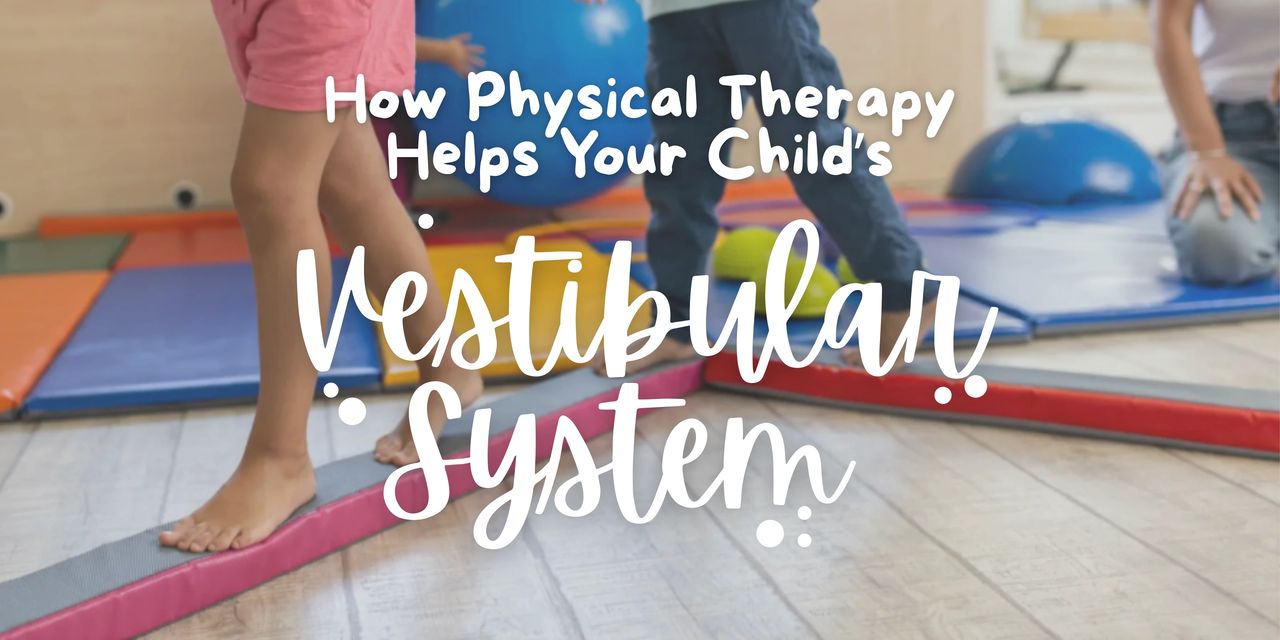
Did you know your child’s vestibular system is quietly working behind the scenes every single day? It’s the foundation for balance, coordination, attention, body awareness, and confidence. Whether your child is running across the playground, sitting in class, or focusing on a puzzle, their vestibular system is helping them stay grounded and organized.
But when this system needs extra support, kids may struggle in ways that are easy to overlook.
What Is the Vestibular System?
The vestibular system lives inside the inner ear and acts like the body’s internal GPS. It helps children understand:
- Where their body is in space
- How to stay upright
- How to move smoothly and safely
- How to coordinate their eyes and body
When the vestibular system is working well, kids feel steady, confident, and ready to explore!
How the Vestibular and Proprioceptive Systems Work Together
The vestibular system doesn’t work in isolation. It’s closely connected to another key sensory system called proprioception, your child’s internal sense of body position, movement, and force. Together, these two systems create the foundation for coordinated, confident movement.
Here’s how they team up:
- The vestibular system acts like the body’s motion detector. It tells the brain when the head is moving, how fast, and in what direction.
- The proprioceptive system acts like the body’s map. It tells the brain where each body part is and how much effort is needed to move or stay still.
When these systems communicate well, kids can:
- Balance while walking, running, or climbing
- Sit upright without slouching
- Coordinate both sides of their body
- Judge how much force to use when writing, throwing, or playing
- Feel secure and confident during movement
But when one system is under-responsive or overwhelmed, the other often tries to compensate. That’s why a child who struggles with vestibular processing may also appear clumsy, seek extra movement, or have trouble sitting still. This is because their body is searching for the sensory input it needs to feel organized and grounded.
Pediatric Conditions Where Physical Therapy Can Help
Because the vestibular and proprioceptive systems play such a big role in movement, balance, and body awareness, challenges in these areas often show up in a variety of pediatric conditions. Physical therapy can offer meaningful support by strengthening foundational motor skills, improving sensory processing, and helping kids feel more confident in their bodies.
Here are some conditions where therapy may be especially beneficial:
Autism Spectrum Disorder (ASD)
Many children on the autism spectrum experience differences in sensory processing, including vestibular and proprioceptive input. This may look like:
- Seeking extra movement (spinning, jumping, crashing)
- Avoiding certain types of movement
- Difficulty with balance or coordination
- Challenges with motor planning
Physical therapy uses structured, play-based movement to help children feel more regulated, coordinated, and confident while supporting their sensory needs in a safe, predictable way.
Developmental Coordination Disorder (DCD)
Sometimes called “dyspraxia,” DCD affects a child’s ability to plan and execute coordinated movements. PT helps by strengthening balance, improving motor planning, and building smoother, more efficient movement patterns.
Sensory Processing Differences
Children who are over- or under-responsive to movement may struggle with playground activities, sitting still, or navigating busy environments. Physical therapy helps organize sensory input, so kids feel more grounded and secure.
Delayed Motor Milestones
If a child is late to sit, crawl, walk, or jump, the vestibular and proprioceptive systems may need extra support. PT helps build the strength, balance, and coordination needed for new skills to emerge.
Hypotonia (Low Muscle Tone)
Low muscle tone can make it harder for kids to maintain posture, balance, and endurance. Physical therapy strengthens core stability and improves the body’s ability to respond to movement.
Torticollis and Plagiocephaly
These conditions can affect head position and early movement patterns, which influence vestibular development. Early PT helps restore symmetry and supports healthy motor development.
Attention and Regulation Challenges
Because the vestibular and proprioceptive systems influence focus and body control, children with attention or regulation difficulties often benefit from movement-based therapy that helps organize the nervous system.
Signs a Child May Need Vestibular Support
Every child develops at their own pace, but some signs can suggest the vestibular system is working harder than it should. These may include:
- Frequent falls or clumsiness
- Trouble sitting upright or paying attention
- Avoiding swings, slides, or climbing equipment
- Sensitivity to motion or craving a lot of it
- Delayed motor milestones
These challenges aren’t a reflection of effort or intelligence; they’re simply signals that the body may need more practice and support, which physical therapy can certainly give them.
How Pediatric Physical Therapy Helps
The great news is that children don’t have to “grow out of it.” Pediatric physical therapy offers targeted, play-based activities that help strengthen and organize the vestibular system.
Here’s how physical therapy can make a difference:
1. Builds Stronger Balance and Coordination
Therapists use fun, movement-based activities—like balance beams, obstacle courses, or scooter boards—to help kids learn how to stabilize their bodies and move with confidence.
2. Improves Posture and Attention
A well-supported vestibular system helps kids sit upright with less effort. When their body feels steady, their brain is free to focus on learning, listening, and participating.
3. Encourages Safe Exploration
Children who avoid playground equipment often do so because their body feels unsure. PT introduces movement gradually and safely, helping kids feel more comfortable with swings, slides, climbing, and spinning.
4. Supports Motor Skill Development
From crawling and walking to jumping and skipping, vestibular processing plays a role in every milestone. Physical therapy helps strengthen the foundation so new skills can emerge more easily.
5. Boosts Confidence
As kids feel more stable and coordinated, they naturally become more confident in their bodies. That confidence can spill into play, school, and social interactions.
Ready to Support Your Child’s Vestibular Development? We’re Here to Help.
If your child is showing signs of vestibular or proprioceptive challenges—or if you simply want to help them feel more confident, coordinated, and grounded—Empowerize Therapy Center in Brighton, MI is here to support you every step of the way.
Our pediatric therapists use play-based, evidence-informed strategies to strengthen the vestibular system, build motor skills, and help kids feel more at home in their bodies. Every child deserves to move through the world with confidence, and early support can make a meaningful difference.
🌟 Reach out today to learn how therapy can help your child thrive: # (810) 772-7600
🌟 Or share this with a parent, caregiver, or educator who may benefit!
When to talk to a therapist
If you have questions about your situation or your child's, contact our team or learn more about physical therapy at Empowerize. This article is general information and is not a substitute for an evaluation.